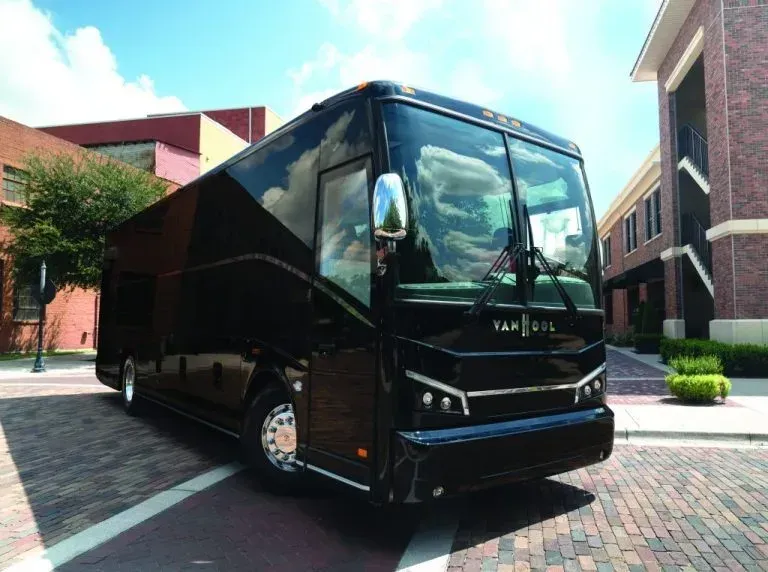
Arranging transportation for a large group can quickly grow into a complex assignment when multiple schedules, pickup logistics, and travel expectations come into play. Whether the gathering consists of corporate events, family festivities, organized outings, or special occasions, ensuring timely group arrivals demands strategic planning. A well-organized transportation strategy helps eliminate confusion, reduces delays, and creates a more enjoyable experience for everyone involved. Through understanding the fundamental components of transportation coordination, planners can ensure a seamless journey from beginning to completion.
When sizeable groups travel collectively, transportation serves a purpose beyond merely moving passengers between destinations. It serves as an essential element of the overall occasion. Effective coordination helps keep schedules on track, enhances communication among travelers, and supports a more comfortable trip. At A1 Quality Express Limousine, we understand the importance of creating organized transportation solutions that help groups travel with confidence and convenience.
Start Planning Transportation Well in Advance
Successful group transportation begins with early preparation. Late planning can reduce transportation choices and make it more difficult to satisfy group requirements. Organizers should begin by determining the number of passengers, travel dates, estimated departure times, and destination requirements. Obtaining these details early helps establish a dependable framework for organizing transportation that supports the overall itinerary.
Forward-thinking preparation allows planners to detect issues before they become significant problems. Transportation arrangements can be affected by traffic conditions, event timelines, pickup coordination, and accessibility requirements. Addressing these factors in advance helps organizers establish a transportation plan that supports smooth movement. Thorough preparation often results in smoother travel experiences and fewer unexpected disruptions.
Understand the Specific Size and Needs of the Group
An essential part of coordinating transportation involves understanding the group’s size and individual travel needs. Accurate passenger counts help ensure the appropriate vehicles are selected and prevent overcrowding or underutilized transportation resources. Coordinators should establish participant counts promptly and keep them updated throughout the planning process.
Passenger counts are important, but personal requirements within the group should also be considered. Some travelers may require additional luggage space, while others may need special accommodations or assistance. Understanding these details allows transportation arrangements to be customized accordingly. Investing time in collecting detailed information helps support a smoother and more comfortable journey for everyone involved.
Build a Structured Transportation Schedule
A detailed transportation plan works as a reference point for everyone involved. Planners should specify departure schedules, pickup points, travel durations, arrival goals, and any scheduled stops. A detailed itinerary reduces confusion and ensures everyone knows where and when they need to be. Strong consistency and clear planning are vital when organizing transportation for bigger groups.
Effective communication greatly contributes to schedule reliability. Travelers should receive full transportation instructions before the event starts. Sharing itineraries through email, messaging platforms, or printed materials helps keep everyone informed. Clear expectations help transportation operations function more effectively and smoothly.
Designate Centralized Gathering Locations
Managing multiple pickup locations can create unnecessary complexity for large-group transportation. Central pickup and drop-off points should be used whenever they improve convenience for participants. Combining meeting points simplifies boarding procedures and reduces delays from multiple stops. It also enhances communication and increases overall operational efficiency.
These locations simplify passenger tracking before the journey begins. Team leaders can confirm group members, distribute information, and handle inquiries before departure. An organized system helps ensure readiness and schedule adherence. Clear meeting points contribute significantly to a well-coordinated travel experience.
Ensure Clear Communication at Every Stage
Strong communication is a critical factor in effective coordination of group travel. Participants should be updated regularly on schedules, pickup details, travel expectations, and any modifications. Providing accurate information helps eliminate confusion and allows passengers to prepare appropriately for the trip. Clear communication contributes to smoother operations and happier passengers.
Planners should implement dependable channels for sharing updates throughout the event. Designated contacts and digital communication tools help spread updates quickly. Communication consistently serves as the unifying factor in organized transportation. Consistent information sharing helps ensure smooth and uninterrupted travel.
Prepare for Sudden Changes
No matter how detailed the plan, unexpected conditions may still arise. Unpredictable factors like weather and traffic may require prompt decision-making. Flexible planning allows organizers to manage unforeseen situations effectively. Proper preparation helps maintain stability despite evolving circumstances.
Emergency planning should involve alternate communication methods, route options, and responsible contacts. Having clear processes reduces pressure and improves response organization. Anticipatory planning keeps operations effective even when changes occur.
Emphasize Comfort and Convenience for Passengers
Passenger comfort is essential to a positive transportation experience. Large groups frequently travel for long durations, making comfort and convenience essential. Comfort-focused arrangements help create a pleasant journey atmosphere. Passenger comfort increases enjoyment and readiness upon arrival.
Ease of travel contributes significantly to successful coordination. Easy boarding systems, clear directions, and efficient scheduling reduce complications. When transportation is thoughtfully organized, travelers can focus on enjoying the event rather than worrying about logistics. here Comfortable and convenient travel contributes to a more successful occasion.
Engage Professional Transportation Specialists
Transportation coordination for large groups includes many details, making professional help essential. Experienced teams are skilled in managing logistics and maintaining smooth operations. Their knowledge supports smooth navigation of logistical challenges and ensures reliability.
Expert transportation teams provide insights that enhance coordination. Their experience with group travel helps them anticipate issues and suggest effective solutions. Professional assistance enables organizers to focus on the occasion while transport is handled efficiently.
Make Transportation an Extension of the Event
Transport should be seen as an extension of the overall experience, not only a means of movement. Well-organized travel allows participants to relax, interact, and enjoy the experience before arrival. Well-managed transport enhances the event atmosphere and experience.
At A1 Quality Express Limousine, we believe effective group transportation starts with careful planning, clear communication, and dedication to passenger satisfaction. With the right approach, coordinating large-group travel can be simple and efficient. Attention to structure and comfort ensures successful group transportation experiences. We take pride in offering transportation solutions that support confident and stress-free travel.